
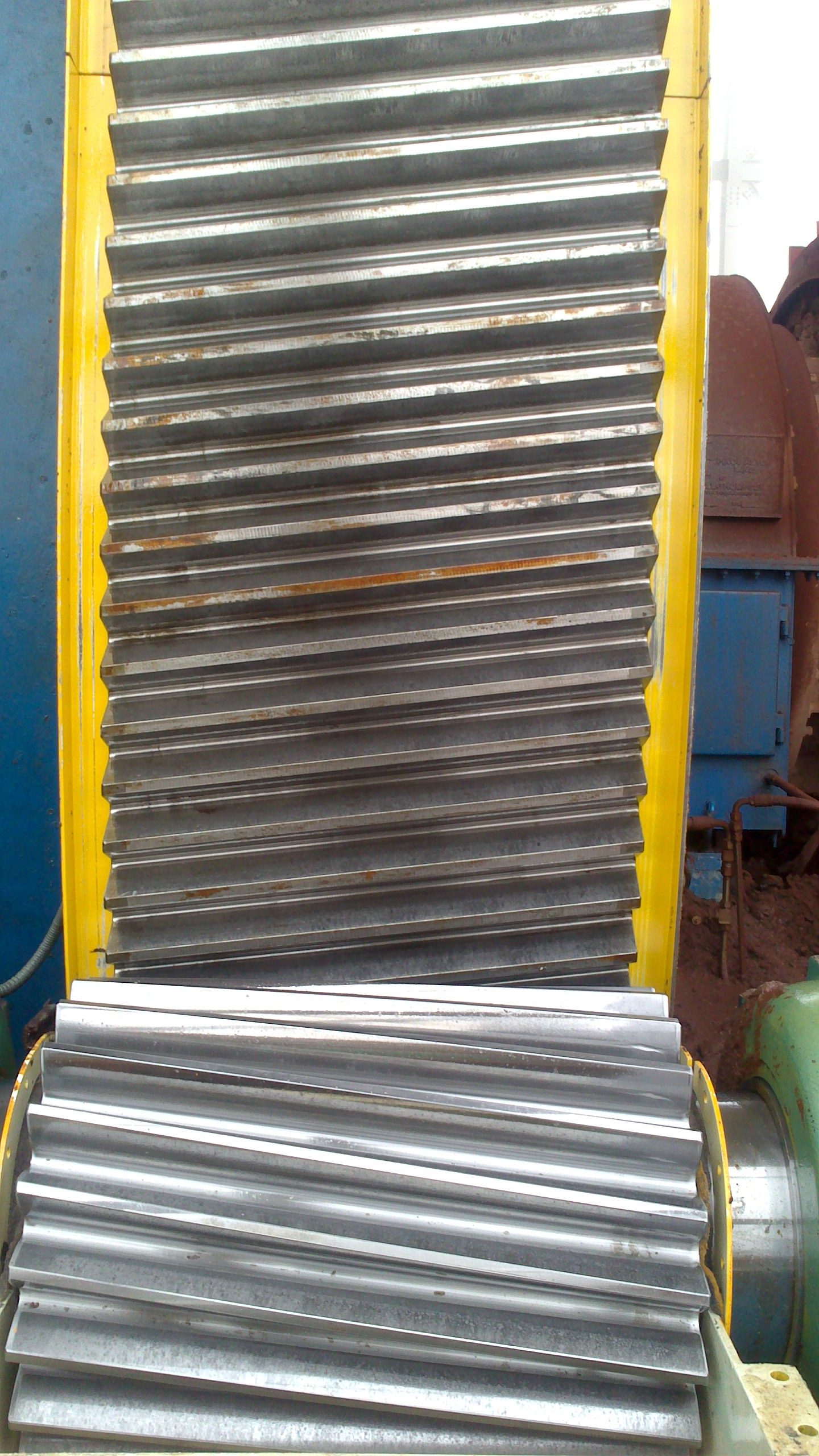
Girth Gear Cleaning: The Foundation of Reliable Operation and Accurate Inspection
Cleansolv™ provides proven girth gear cleaning and contamination reduction solutions, available direct from Cleansolv International, without requiring a service contract, inspection agreement, or OEM-aligned engagement.
In mills, kilns and other heavy rotating equipment, contaminated lubrication on girth gear and pinion teeth accelerates wear, increases vibration and promotes corrosion long before failure becomes visible.
Without proper open-gear cleaning, contamination remains trapped in the gear mesh and tooth root, continuing to damage critical surfaces under load.
Just as importantly, effective gear cleaning is essential for accurate gear inspection:
Contaminated gear teeth mask wear patterns, surface distress and early failure indicators, limiting the value of visual inspections and condition assessments.
Proper girth gear cleaning removes abrasive debris, restores correct tooth contact and prepares the gear for meaningful inspection results.
Introduction
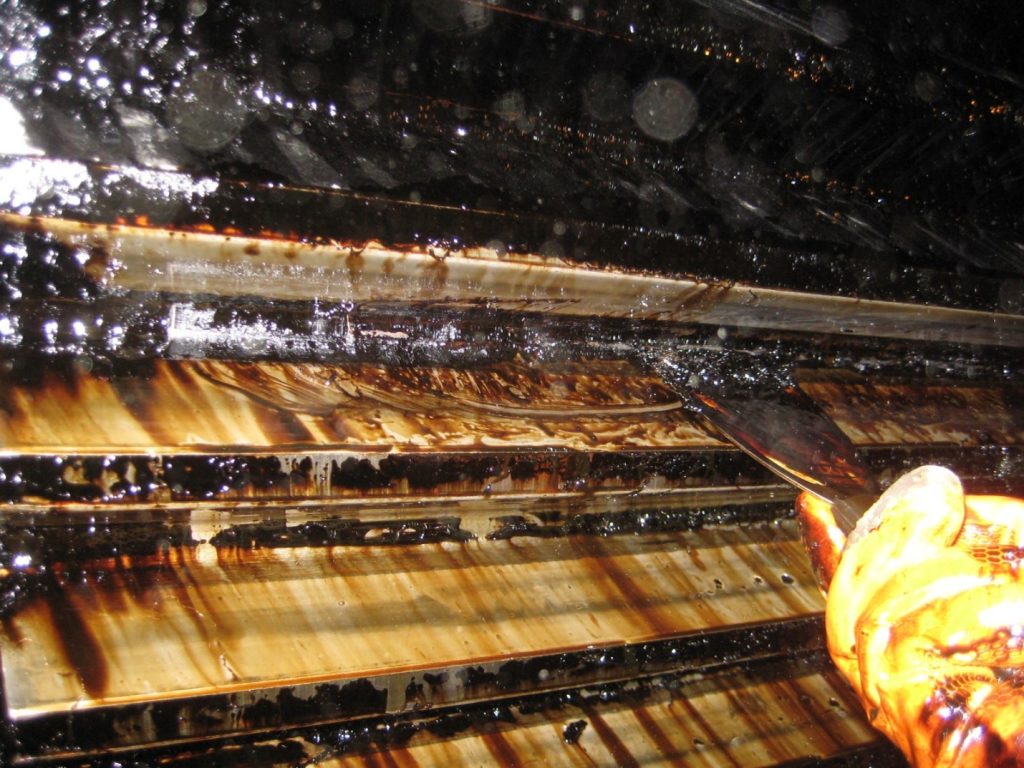
Grinding mill girth gears operate under extremely high loads and slow rotational speeds. Over time, contamination, degraded lubricant, and debris accumulate on gear tooth surfaces, making inspection difficult and accelerating wear.
Proper girth gear cleaning is therefore an essential part of grinding mill maintenance and reliability programs. Grinding mill girth gear cleaning is therefore a critical step before accurate gear inspections or reliability assessments can be performed.
This is particularly important for large grinding mills where gear reliability directly affects production availability.
Why Girth Gear Cleaning Matters
Open gears operate in some of the most contaminated industrial environments.
Dust, fines, moisture and degraded lubricant accumulate on gear tooth flanks and roots. Over time this contamination forms compacted deposits that interfere with lubrication and inspection.
Proper cleaning establishes a consistent inspection surface, allowing:
- Repeatable measurements
- Meaningful comparison between inspections
- Reliable trend identification
- Defensible inspection conclusions
Common consequences include:
- abrasive wear on gear teeth
- increased vibration and dynamic loading
- corrosion and surface distress
- improper gear meshing caused by root buildup
- reduced inspection accuracy
Contamination is rarely dramatic. It develops slowly and quietly until reliability is compromised.
A dirty gear is not an inspectable gear.
For contamination mechanisms, see:
The Inspection Problem
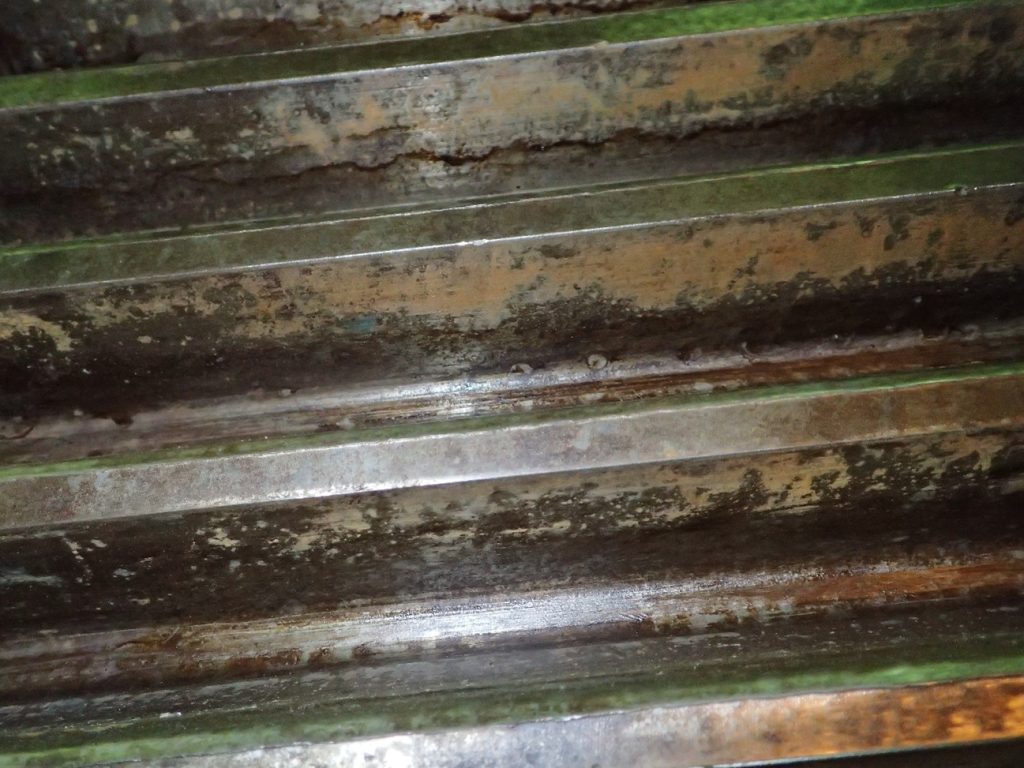
Contaminated tooth flanks can mask:
- micropitting
- surface distress
- cracking
- lubrication starvation
Until contamination is removed, the true condition of grinding mill girth gear teeth cannot be reliably evaluated.
Residual lubricant and debris change probe contact conditions and measurement consistency, making it difficult to replicate inspection results from one inspection to the next. Without repeatability, trend analysis becomes unreliable, and changes in data cannot be confidently attributed to actual gear condition.
Further detail on inspection preparation:
Why Cleaning Time Still Delays Many Shutdowns
At many mine sites, gear cleaning is the longest step before inspection begins.
During shutdown preparation the same conditions often exist:
- thick, high-viscosity gear lubricant
- contamination embedded in tooth flanks
- compacted buildup in tooth roots
- manual cleaning methods that require extensive labor
As a result, cleaning alone can take 8–12 hours or longer before inspectors can begin evaluating gear condition.
Because inspections cannot start until the gear is clean, contamination directly affects shutdown schedules.
The most underestimated part of shutdown planning: gear cleaning.
It’s rarely scoped accurately.
It’s rarely predictable.
And it’s almost always longer than expected.
When inspection access depends on cleaning speed, contamination quietly becomes a scheduling risk.
Modern Girth Gear Cleaning Methods
Traditional cleaning methods rely on:
- manual scraping
- aggressive solvents
- extended downtime
Modern chemical-assisted gear cleaning allows contamination to be removed much faster while maintaining safe lubrication conditions.
Effective gear cleaning programs focus on:
- removing contaminated lubricant
- exposing true gear tooth surface condition
- maintaining temporary boundary protection during cleaning
- preparing gear teeth for inspection
Cleansolv cleaning solutions are specifically designed for large open gears operating in mills, kilns and rotary equipment:
Inspection-Ready Gear Teeth
The primary objective of gear cleaning for inspections is to remove contaminated in-service lubricant that introduces inconsistent inspection data.
Inspection quality starts with surface condition.
Inspection preparation reference:
Benefits of Regular Girth Gear Cleaning
Improved Gear Life
Removing abrasive debris reduces wear and preserves tooth surface integrity.
Improved Reliability
Clean gears operate more smoothly and reduce the risk of unplanned downtime.
Better Inspection Quality
Clean surfaces allow inspectors to detect early-stage damage before it becomes critical.
Better Maintenance Decisions
Repeatable inspection data enables reliable condition trending.
Reduced Shutdown Risk
Faster cleaning allows inspection work to begin earlier in the shutdown schedule.
By controlling contamination, operators reduce unplanned downtime, stabilize gear performance, and protect the full design life of critical mill drive assets.
Clean lubrication isn’t optional. It’s fundamental to mill gear reliability.
Preventative Maintenance for Open Gears
Cleansolv™ cleaning solutions can be integrated into preventative maintenance routines to consistently remove contamination and lubricant buildup.
Cleaning is typically performed:
- before non-destructive testing (NDT) inspections
- prior to scheduled shutdown inspections
- periodically during the year to prevent contamination buildup
Maintaining a clean gear environment allows maintenance teams to identify potential failure modes early and protect long-term gear reliability.
Contamination Control and Long-Term Gear Reliability
Effective cleaning and flushing programs—aligned with recognized industry standards—remove contaminated lubricant while preserving the protective boundary film on gear teeth. This balance is critical to prevent accelerated wear, vibration, and corrosion.
By controlling contamination, operators reduce unplanned downtime, stabilize gear performance, and protect the full design life of critical mill drive assets.
Contamination mechanisms explained here:
The Bottom Line
Girth gear cleaning is not cosmetic maintenance.
It is a critical reliability practice that:
- protects gear teeth from abrasive contamination
- improves inspection accuracy
- reduces shutdown delays
- supports long-term equipment life
Proper cleaning ensures that inspections provide meaningful information about the true condition of the gear.
Call to Action
Cleansolv supports mining operations in achieving inspection-ready girth gear surfaces for grinding mill drive systems, enabling more reliable inspections and better long-term asset management decisions.
Follow technical content and updates: